Skip to content Skip to footer

Workshops

PhD Study in the Age of AI

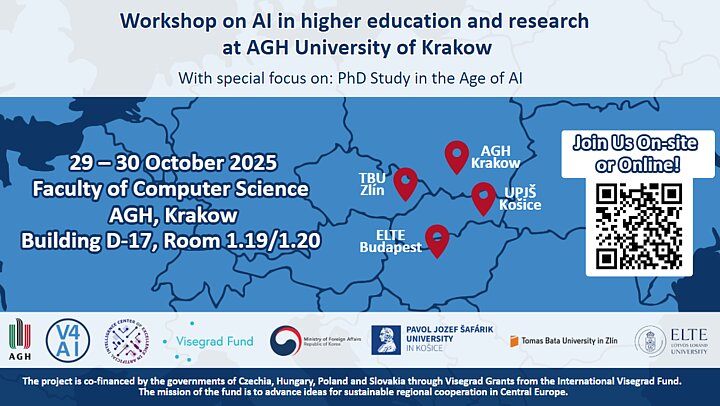
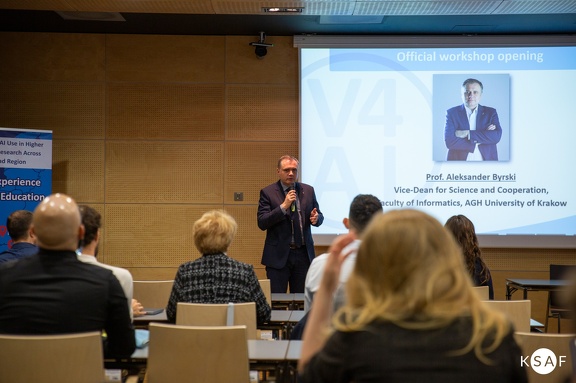
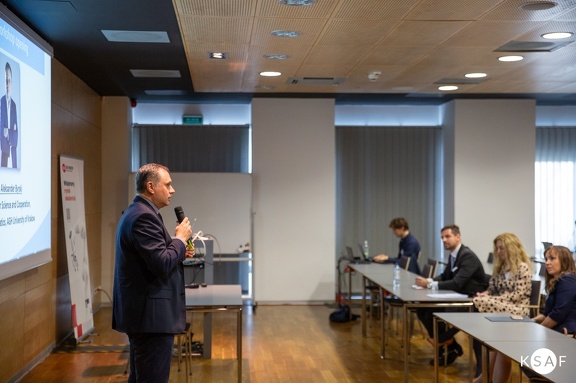
Workshop on AI in higher education and research at AGH University of Krakow

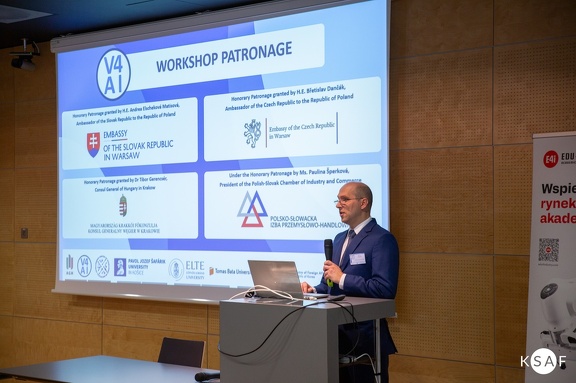
Honorary Patronage

Future workshops

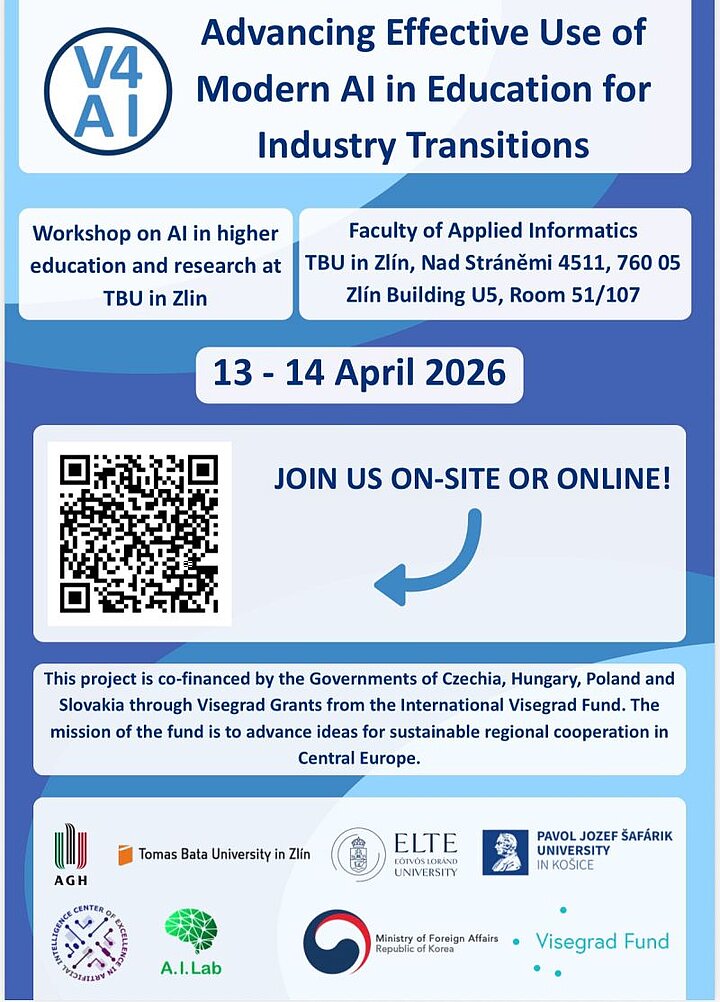
The two-day workshop hosted by TBU will focus on leveraging modern generative AI technology (including generative AI) to significantly enhance education quality and industry readiness across disciplines. Reflecting TBU’s multidisciplinary strengths (human sciences, education, arts/design, technology, economics, material engineering and, of course, informatics), sessions will explore AI’s transformative role beyond not only technical disciplines, showcasing TBU’s pioneering experience integrating AI into software engineering education and further expanding into other education programs and finally AI’s role in research and automation of processes (particularly also through rich experiences with development of own innovative EASE framework for automated algorithmic evolution). Both days will cover presentations, expert panels, practical demonstrations, and interactive discussions. The workshop aims to inspire educators, researchers, students and partners to harness AI in education, emphasizing creativity, personalized learning, ethical governance, and mainly industry-academia synergy. Interactive sessions will present successful regional collaborations, notably with local SMEs/ startups (Revelia, BLUE88), tech companies (EdHouse, BLogic), ZLIN.AI – supported by Czech AI Association, EDIH DIGIMAT and the Zlín Region Innovation Agency (ZRIA), which focuses on leveraging AI applications in material science, healthcare, and cybersecurity in central/southern Moravia region.

The 2-day workshop will bring together experts, educators, PhD students, and other relevant staff from all consortium members. Additionally, the academic community, stakeholders, and industrial partners of ELTE will be invited to attend on-site or join the online audience. The first day will focus on the theme „Educating Educators on AI in Education and Outreach projects at ELTE”. ELTE is the biggest university for teacher training in all fields, and is responsible for Informatics teacher education, launching conferences, outreach projects, competitions identifying talents in Informatics. The first day will begin with a morning session featuring an invited talk by an external expert related to the focus topic, the results of the DRONE project (https://mydroneproject.eu/) will also be presented, followed by related presentations from consortium partner. The morning session closes with a panel discussion giving audience members the opportunity to ask questions to a group of experts. The afternoon will feature a broader range of topics, with each consortium partner presenting recent achievements in AI for education or research. The second day will be reserved for closed sessions. It starts with a demo workshop for elementary school children demonstrating outreach activities for the partners. Then the project steering committee meeting will take place, that focuses on project organization, evaluation of the workshop, and exploring project opportunities.

The 3-day workshop will explore the role of universities as key enablers of digital transformation through AI adoption in small and medium-sized enterprises (SMEs) and public institutions. It will bring together university experts, SMEs, public sector representatives, students, and innovation stakeholders, including European Digital Innovation Hubs (EDIHs). The workshop will begin with an afternoon session allowing for international arrivals. The opening will feature a keynote address by a representative from either a pioneering AI company (e.g., Matsuko, IstroSec, or VISSIM) or a representative of a public body involved in digital innovation. This will be followed by short presentations from each partner, setting the stage for deeper thematic exploration. The second day will focus on “Universities and AI-Driven Innovation in SMEs and Public Services”. This thematic block will showcase real-world examples of AI applications. Selected topics include the innovation of health insurance software using machine learning, AI in cybersecurity, and collaboration models between academia and companies or public institutions. A panel discussion will allow open dialogue between business, public institutions, and university experts. The third day will feature two parallel sessions: A project steering committee meeting and an Innovation Forum where PhD and Master's students will present projects related to AI in SMEs or public administration, providing networking and feedback opportunities.

Stopka